The other side of the table
I started as a peer mentor for Applied Data Analysis (QAC 201) at Wesleyan in the fall of my sophomore year — a course built around a simple but underrated idea: students learn statistics best when they’re working on questions they actually care about.
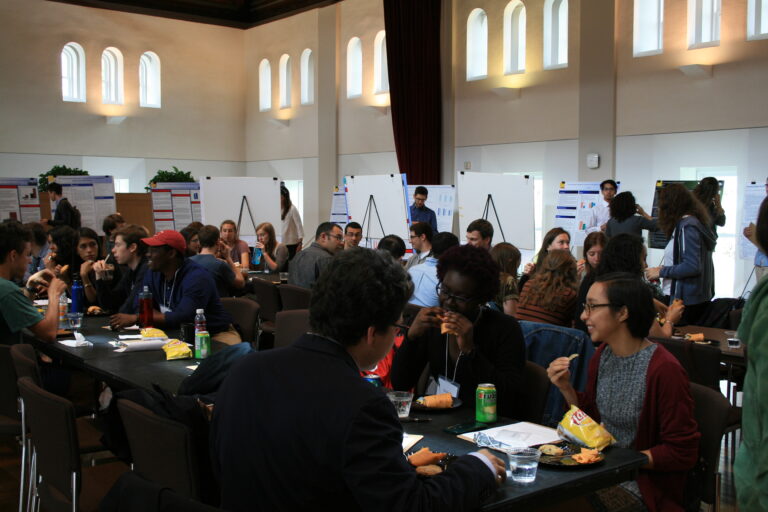
The course pulls from psychology, sociology, government, environmental science — wherever students’ interests take them. They generate their own hypotheses, review existing literature, clean and prepare real datasets, run descriptive and inferential analyses, and present findings to panels of social scientists and industry professionals at the end of the semester. The whole thing is built on the NSF-funded Passion Driven Statistics model, and it shows — students are more bought-in when the question is theirs.
My job was to support that process. That meant a lot of office hours helping students debug R code, interpret regression output, and figure out how to say something meaningful with their data without overclaiming. The hardest part to teach is usually the last one — being honest about uncertainty while still making a clear argument.
I also found that explaining the same concept six different ways across sixdifferent research questions is a really fast way to actually understand it yourself. By the end of the semester I was a lot more fluent than when I started — both in the statistics and in how to communicate it.
